Mali

20 March 2025
For as long as gender inequalities persist in international trade and in the key industries that drive economic growth in the least developed countries (LDCs), women and girls will not benefit as much as men and boys. Such inequalities are often more present in the most overlooked parts of production – among informal traders, small and microenterprises, but also among individual suppliers of raw materials and workers – many of whom are women. This is why over 60% of beneficiaries supported via the Enhanced Integrated Framework (EIF) are women, and why the EIF launched the Empower Women, Power Trade initiative in 2019. An independent evaluation sought to gauge progress in achieving economic justice for all in settings where both poverty and inequalities are most prominent.
9 November 2021 - Alexander Kasterine
Alexander Kasterine explores how climate change concerns are changing market requirements for developing country food exporters
19 August 2021
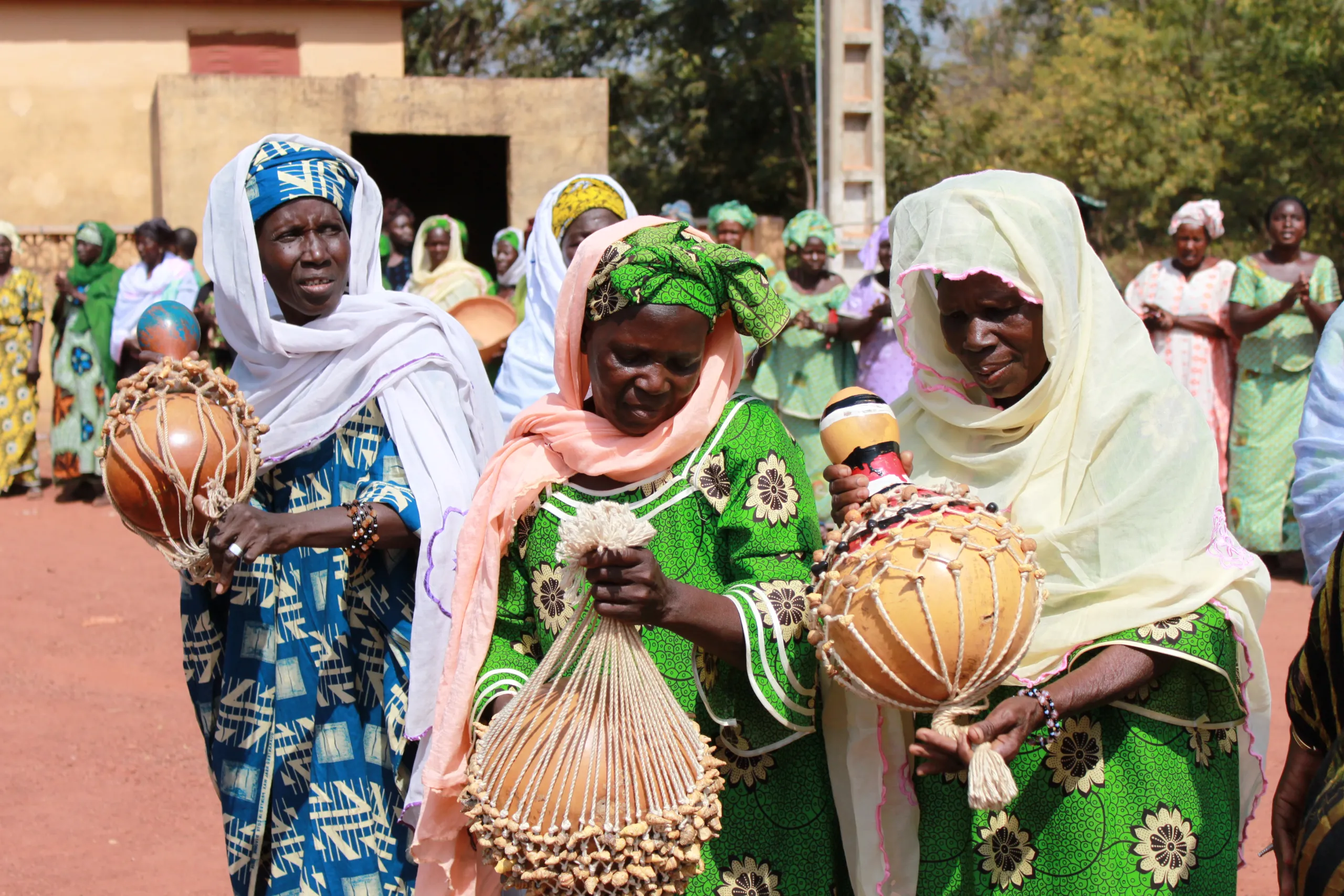
The multimillion-dollar shea industry is booming in French-speaking Africa. With the right support, there is a lot of room for the sector to grow and for rural women to benefit.
24 June 2021 - Deanna Ramsay
How strategic funding can help to ensure a global beauty industry creates local profit
8 April 2021 - Deanna Ramsay
Getting organic certification for shea can be a journey
In honor of former Enhanced Integrated Framework National Coordinator in Mali
25 June 2020 - Global Shea Alliance
Shea is critical to the income of rural communities, and a new effort across four shea-producing countries in West Africa is looking to boost those incomes
10 October 2018 - Deanna Ramsay
For an arid swath of Africa, a sap-like substance offers income possibilities for the poorest of the poor, along with environmental benefits
27 October 2016
In Mali, the Government's commitment to inclusive growth is recognized in the Growth and Poverty Reduction Strategy (2012-2017) and the Strategic Framework for Economic Recovery and Sustainable Development (2016-2018), which both give priority to the poorest people, especially women in rural areas. The EIF programme has supported this pro-poor development approach by helping to strengthen the participation of women in the shea butter, gum arabic, mango and livestock value chains. These sectors were selected, because they involve a significant number of poor people, particularly small‑scale producers and rural women.
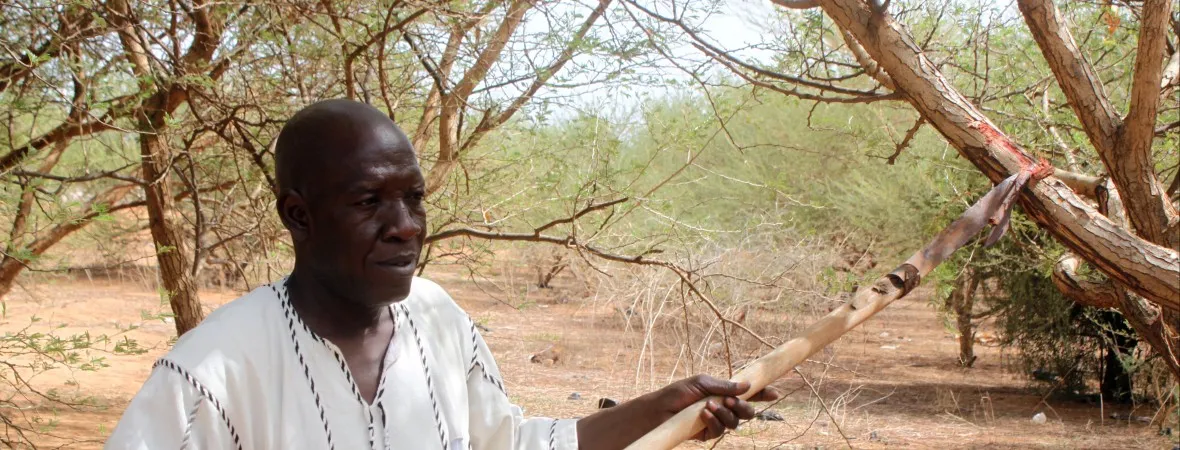
Oumar is one of the 370,500 people in Mali producing gum arabic, among which 80% (296,400) are women.